

Hyundai Warranty and Maintenance: What Canadian Owners Need to Know
Hyundai Warranty and Maintenance: What Canadian Owners Need to Know
Posted on March 17, 2026
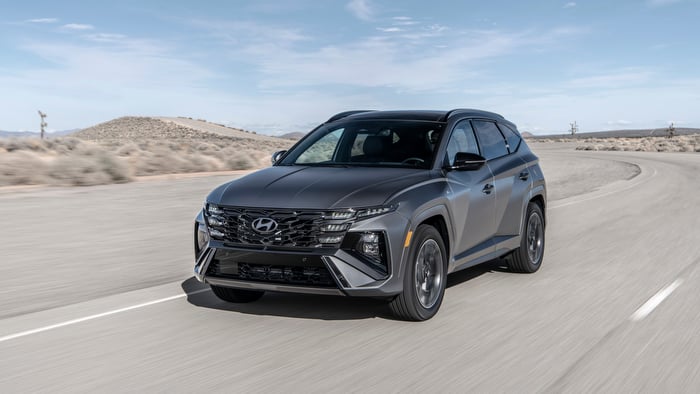
Hyundai's warranty coverage and maintenance schedule are designed to give Canadian owners clarity and confidence. The brand offers a 5-year/100,000 km Comprehensive Limited warranty and a matching 5-year/100,000 km Powertrain warranty, along with 5 years of 24/7 roadside assistance. Maintenance intervals are straightforward: every 8,000 km or 6 months, whichever comes first, under normal driving conditions. Understanding these terms helps you protect your investment and keep your vehicle running as intended.
This guide breaks down exactly what's covered, what's excluded, and when you need to schedule service. Whether you drive a Kona EV, Tucson, or Elantra, the same core warranty structure applies across the Hyundai lineup. Knowing the difference between normal and severe usage schedules, using genuine Hyundai parts, and keeping service records current all play a role in maintaining warranty validity.
Comprehensive Limited Warranty: 5 Years/100,000 km
Hyundai's Comprehensive Limited warranty covers most vehicle components for 5 years or 100,000 km, whichever comes first. This includes the body, chassis, electrical systems, and factory-installed accessories. If a defect in materials or workmanship causes a component to fail during this period, Hyundai will repair or replace it at no charge.
The warranty does not cover wear-and-tear items such as brake pads, wiper blades, tires, or filters. Damage caused by accidents, misuse, or modifications also falls outside coverage. Routine maintenance items like oil changes, tire rotations, and fluid top-ups are the owner's responsibility and must be completed on schedule to keep the warranty valid.
Powertrain Warranty: 5 Years/100,000 km
The Powertrain warranty covers the engine, transmission, and drivetrain components for the same 5-year/100,000 km period. This includes internal engine parts, the transmission case and internals, the differential, and drive axles. For electric vehicles like the Kona EV, the battery and electric motor are covered under separate battery and electric component warranties.
Powertrain coverage does not extend to items like spark plugs, filters, or fluids, which are considered maintenance items. Using non-genuine parts or skipping scheduled service can void this warranty, so keeping records of all service visits is essential.
Roadside Assistance: 5 Years, Unlimited Distance
Hyundai includes 24/7 roadside assistance for 5 years with unlimited distance coverage. Roadside assistance is automatically included with every new Hyundai and does not require separate enrolment.
This coverage is tied to the vehicle, not the owner, so it transfers to subsequent owners within the 5-year period. The service is available anywhere in Canada and the United States.
Maintenance Schedule: Every 8,000 km or 6 Months
Hyundai recommends scheduled maintenance every 8,000 km or 6 months under normal driving conditions. This interval covers oil and filter changes, tire rotations, and multi-point inspections. Following this schedule helps prevent premature wear and ensures warranty coverage remains valid.
Severe usage conditions require more frequent service. Severe usage includes frequent short trips, extended idling, driving in dusty or salty environments, towing, or operating in extreme temperatures. If your driving falls into this category, Hyundai recommends reducing the service interval accordingly.
What's Included in Scheduled Maintenance
Each scheduled service appointment includes an oil and filter change, tire rotation, and a comprehensive vehicle inspection. Technicians check fluid levels, inspect brake pads and rotors, examine belts and hoses, and test the battery. For electric vehicles, the inspection includes high-voltage battery health monitoring and cooling system checks.
Additional services are required at specific intervals. Air filters, cabin filters, and coolant flushes are typically scheduled at longer intervals, depending on the component and driving conditions. Spark plugs on gasoline engines are replaced at extended intervals. Your owner's manual contains the full schedule for your specific model and model year.
Using Genuine Hyundai Parts
Warranty coverage requires the use of genuine Hyundai parts for all repairs and replacements. Aftermarket or non-genuine parts can void warranty coverage if they cause a failure or contribute to a defect. Genuine parts are designed to meet Hyundai's specifications and come with their own warranty.
Service performed at a Hyundai dealership automatically uses genuine parts and is documented in Hyundai's service records system. If you choose to have service performed elsewhere, you must ensure genuine parts are used and retain all receipts and documentation to prove compliance.
How to Maintain Warranty Validity
Keeping your warranty valid requires three steps: follow the maintenance schedule, use genuine parts, and keep records. Missing a scheduled service or using non-approved parts can void coverage for related components. If a failure occurs and Hyundai determines it was caused by neglect or improper maintenance, the repair will not be covered under warranty.
Service records should include the date, odometer reading, and a description of work performed. Dealerships automatically upload this information to Hyundai's system, but if you service your vehicle elsewhere, you must keep physical or digital copies of all invoices and receipts.
What's Not Covered
Hyundai's warranty excludes normal wear-and-tear items and damage caused by external factors. Brake pads, rotors, wiper blades, light bulbs, and tires are not covered. Damage from accidents, environmental factors (such as road salt or hail), or improper use also falls outside warranty coverage.
Modifications to the vehicle, including aftermarket performance parts, suspension changes, or non-approved accessories, can void portions of the warranty. If a modified component causes a failure, Hyundai may deny coverage for the related system.
Battery Warranty for Electric Vehicles
Electric vehicles like the Kona EV include an extended battery warranty covering the high-voltage battery pack. This warranty guarantees that the battery will retain a specified percentage of its original capacity during the coverage period. If the battery degrades below this threshold due to a manufacturing defect, Hyundai will repair or replace it at no cost.
Battery warranty coverage does not extend to capacity loss caused by extreme temperatures, frequent fast charging, or failure to follow recommended charging practices. Owners should avoid leaving the vehicle at very high or very low states of charge for extended periods and should use Level 2 charging for daily use whenever possible.
Service Scheduling and Record Keeping
Scheduling service appointments at regular intervals keeps your vehicle on track and ensures warranty compliance. Most Hyundai dealerships offer online booking, and many provide service reminders via email or text. Keeping a digital or physical log of all service visits, including receipts and work orders, provides proof of maintenance if a warranty claim is ever disputed.
If you sell the vehicle, transferring service records to the new owner helps maintain the vehicle's resale value and ensures they can continue to benefit from remaining warranty coverage.
Learn More at 401 Dixie Hyundai
Understanding your warranty and maintenance schedule helps you protect your Hyundai and avoid unexpected repair costs. Our service team at 401 Dixie Hyundai can answer questions about your specific model, schedule your next appointment, and provide genuine parts and certified technicians for all your maintenance needs.